Metal Paint Stripping Services Overview
Visitors will learn about metal paint stripping services and how local contractors can help with this project.
- - Metal furniture and equipment owners seeking to restore or prepare surfaces for repainting.
- - Industrial facilities and warehouses requiring removal of old paint from large metal structures.
- - Property managers and contractors looking to improve the appearance and durability of metal surfaces.
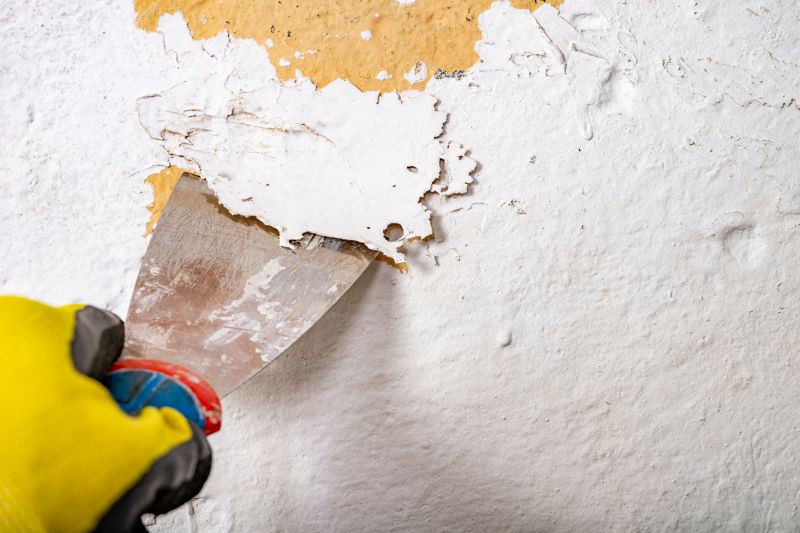
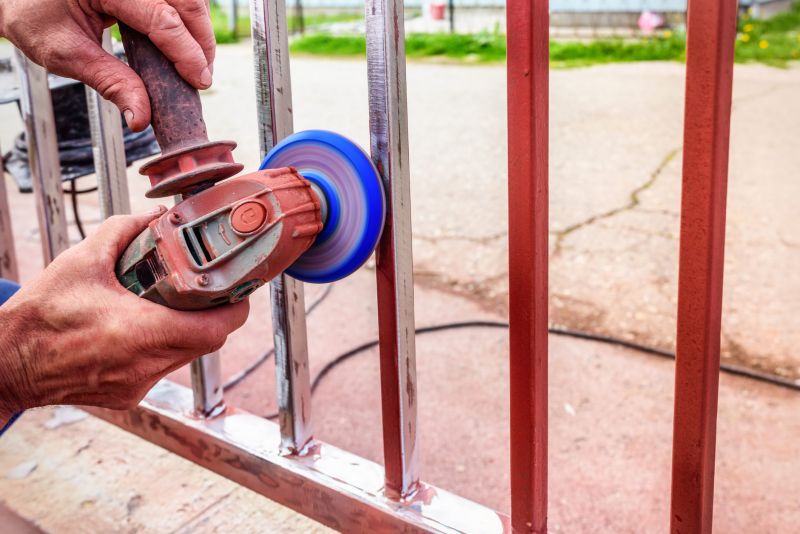
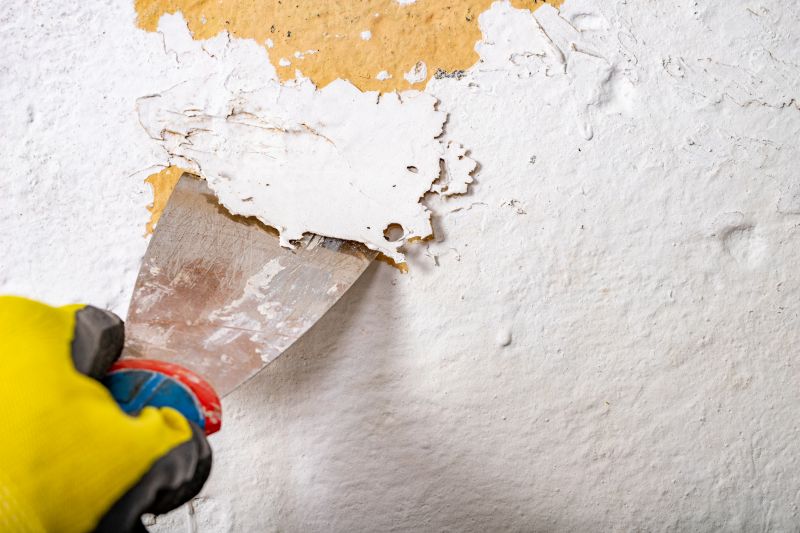
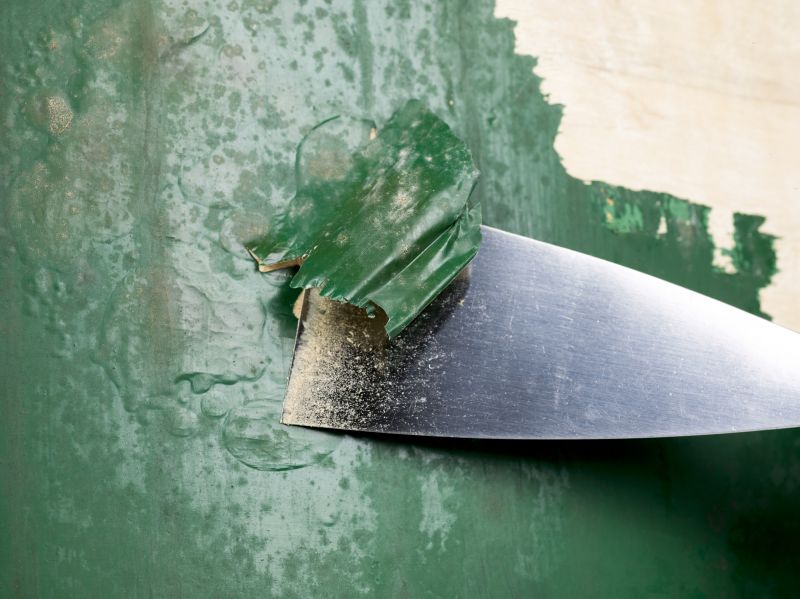
Metal paint stripping services involve the careful removal of old, chipped, or deteriorated paint from metal surfaces such as fences, railings, machinery, and structural components. Property owners often seek these services when preparing a metal surface for repainting, restoring the appearance of metal fixtures, or maintaining the integrity of equipment exposed to the elements. Local contractors specializing in metal paint stripping typically use a variety of techniques, including chemical removers, abrasive blasting, or heat methods, to effectively strip paint while minimizing damage to the underlying metal.
Connecting with experienced local pros can help property owners find the right solution for their specific needs. These service providers are skilled at assessing the condition of metal surfaces and recommending appropriate stripping methods. Whether dealing with rust, old paint layers, or corrosion, local contractors offer practical solutions to restore and prepare metal surfaces for finishing work. Property owners can expect clear communication and professional service from local metal paint stripping specialists, making it easier to maintain or improve the appearance and durability of their metal assets.
This guide helps visitors understand the key factors involved in metal paint stripping projects, enabling better planning and decision-making. It provides insights to compare and connect with local service providers who specialize in metal paint removal. The information aims to assist in preparing for discussions with local contractors about your specific needs.